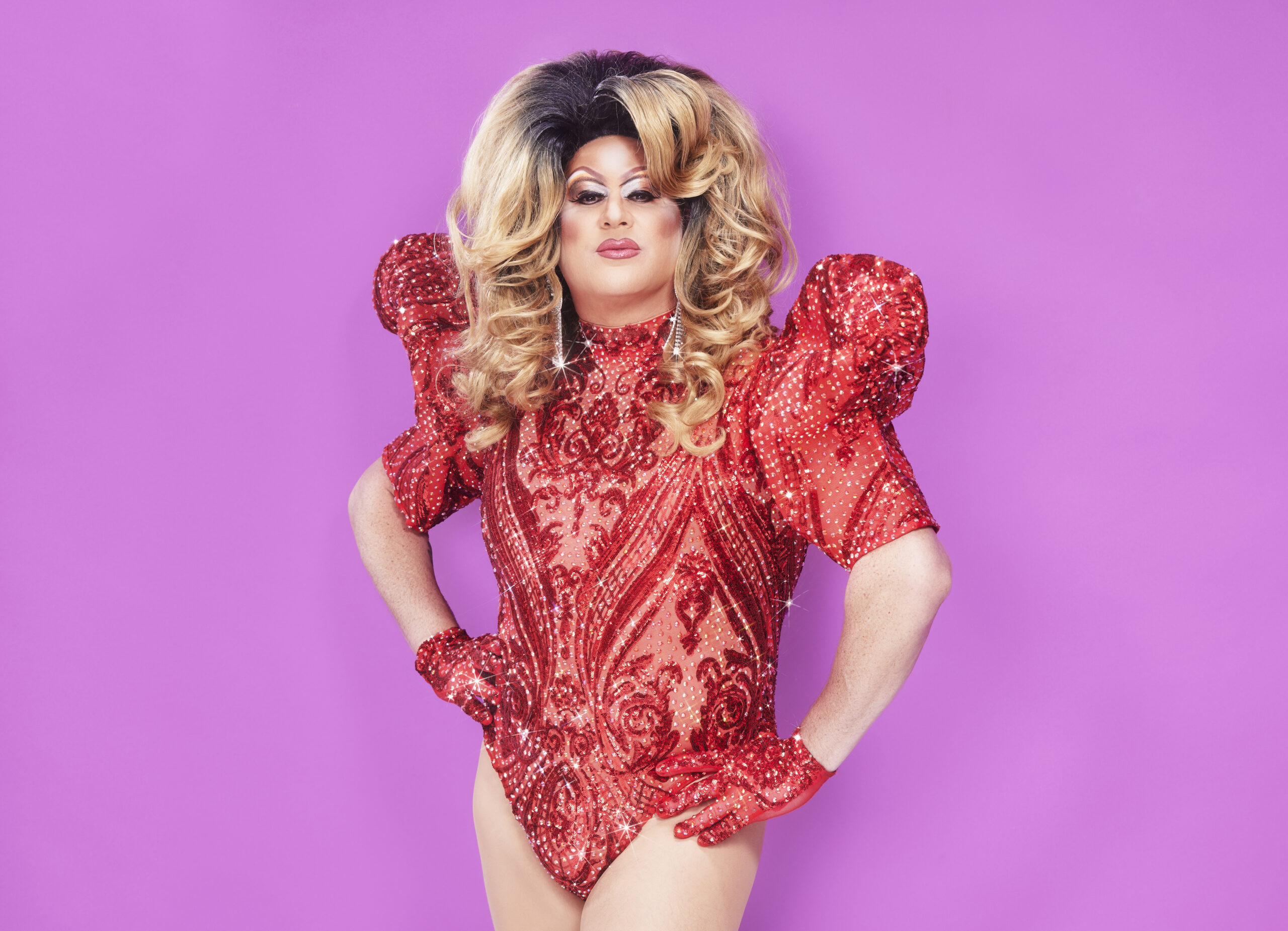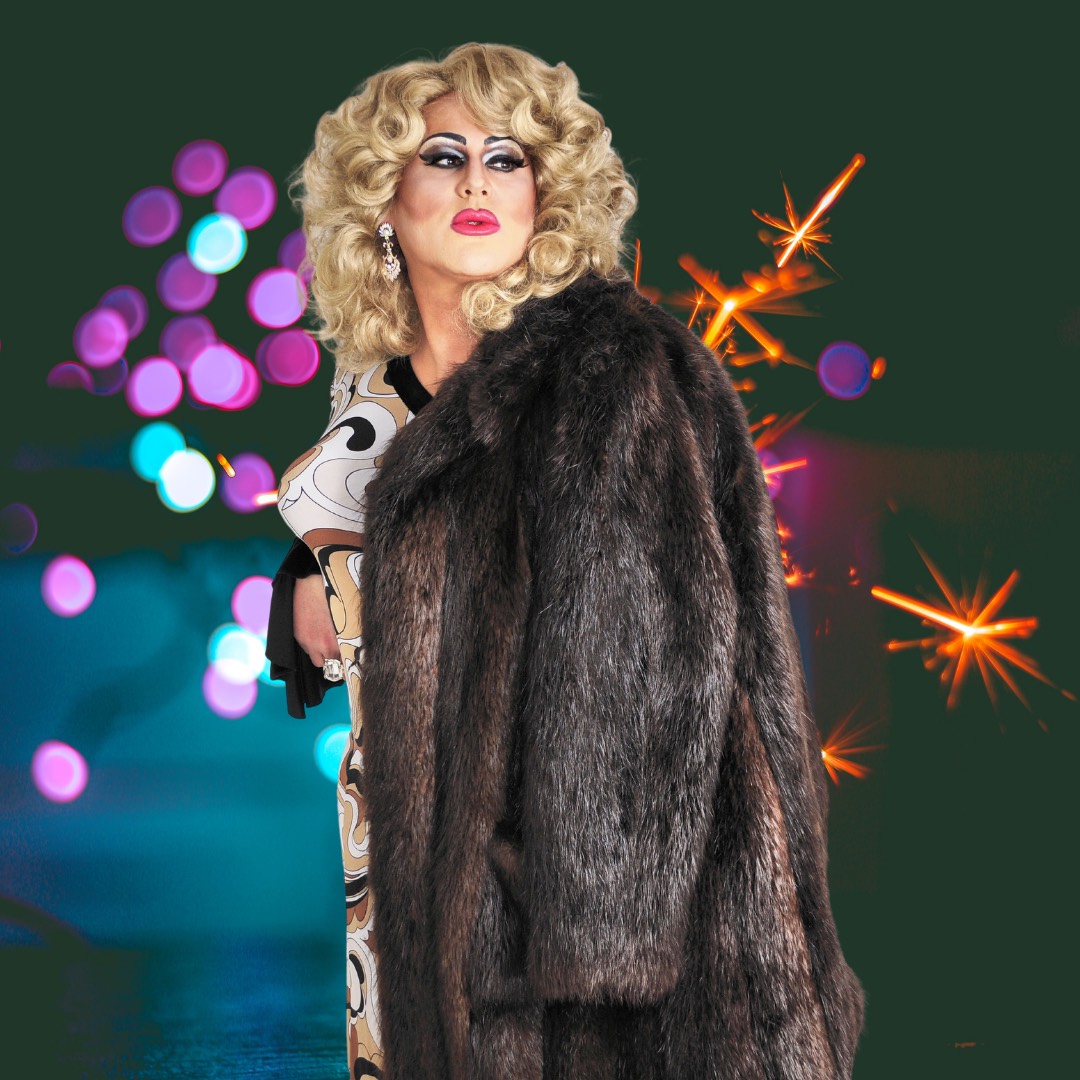
Brittany Lynn / Ian Morrison
Head of Philly's Drag Mafia
‘The Gayest Gay That There Is’: How Brittany Lynn Became A Philadelphia Institution
In the summer of 2024, Brittany Lynn stood on the stage of the National Constitution Center and read aloud to 263 families who had gathered to make history, all of whom erupted when the Guinness World Records adjudicator confirmed the count. Philadelphia had just set the world record for the largest drag queen story time. Ever.
For Brittany, otherwise known as Ian Morrison, the moment was more than a milestone. It was a love letter, written in big hair and rainbow sequins, from a city that had always had their back.
That’s not just a feeling, either. Over the years, Philadelphia’s elected officials, community leaders, and civic institutions have intentionally made space not just for Ian, but the community they represent. The Mummers wanted them. The libraries wanted them. City Council gave them their own day on the Philadelphia calendar. And in June 2024, they all showed up together at the Constitution Center to break a world record.
“Philly has always been a sanctuary city, whether it was announced that way or not,” says Ian, 53, who lives in a converted church in South Philly. “I owe this city a lot.”
That gratitude has deep roots.
Ian grew up in Northeast Philadelphia, moving between Parkwood and Rhawnhurst before their family settled near Northeast High School. Born in 1972, they were raised in the freewheeling era before smartphones and social media, when kids came home when the streetlights came on and the Liberty Bell still sat outdoors, unprotected, and could just walk up to it. “There was like a rope around it and people just knew not to touch it,” they recall with a laugh.
They remember their Philadelphia childhood with love: the Mummers parade on New Year’s Day, the Thanksgiving parade on Market Street, school trips downtown to see history up close.
But what their Northeast neighborhood couldn’t give them was community. Ian knew they were gay. They also knew, as far as they could tell, that they were essentially the only one.
“There was no gay community back then. I knew one gay person, a guy whose family owned the pizza shop where I worked for 12 years. That was it.”
But they discovered they didn’t have to go far. They got into Temple University, and on their very first trip to campus, they came across a City Paper and a Philadelphia Weekly wedged into a seat on the El. They still remember the feeling of relief when they flipped through the classifieds.
“Oh my God,” he thought. “There are gay people.”
Then they spotted a Temple Lambda Alliance flyer taped to a flagpole. “Hey, are you gay? Come to the meeting.” They were 19 years old, and it was the first time in their life to ever been in a room full of people like them. They became president of the chapter within a year.
“If I’m going to be gay,” They say, grinning, “I’m going to be the gayest gay that there is.”
And that’s been a theme ever since.
Morrison was studying journalism at Temple’s JPRA program when Patti Tihey, editor of the Philadelphia Gay News, asked them to review a coming-out guide for teenagers. She liked their work so much she offered them an internship, which grew into a full-time job and a weekly column, and planted them squarely in the center of Philadelphia’s LGBTQ world.
Their first drag performance came in 1996, when they entered a contest at the 12th Air Command in Center City. They had been touring in “The Not-So-Brady Bunch” and brought their castmates to watch. The host, the legendary Tinsel Garland, spotted them in his little shake-and-go wig and borrowed Madonna costume and pulled them onstage.
“She said, ‘What’s your name?’ I said, ‘Ian.’ She said, ‘Oh no, you have to have a drag name.’” He couldn’t think of anything on the spot. So they used their little sister’s name.
Brittany Lynn tied for first place that night and split $100 with a seasoned Patti LaBelle impersonator who’d been performing for years. Walking out with her $50, Ian had one thought: “Wait, you can make money doing this?”
Within months, they were performing at shows across the region. By 1998, they were the permanent host at Shampoo Nightclub’s First Fridays Drag Mafia show, a fixture of Philadelphia drag history.
They also changed the game. Conditions for performers were grim back then: no pay unless you won a competition, no dressing room, not even a free drink. When they were offered their own show, she had conditions: pay for the performers, a proper dressing room, and cocktails.
“Who’s the first person people call when they need a host for an event? The drag queens. So we’re not working for drink tickets.”
That was the founding philosophy of Morrison’s Philly Drag Mafia: professionalism, standards, and the belief that performers deserve to be treated like the artists they are. Today, most of the drag queens performing across Philadelphia got their start with Ian and the Drag Mafia family.
Which is why, in 2012, the city came calling. City Councilman Jim Kenney, Councilman Mark Squilla, Jim Julia from the Mummers, and gay rights pioneer Mark Segal of the Philadelphia Gay News all called Ian with the same request: bring drag back to the Mummers Parade. Drag queens had been stars of the parade back in the 1920s, and a full female impersonation category had thrived in the 1970s. They wanted Brittany to lead it back.
So Ian obliged. They handpicked ten veteran performers, the Miss Fancy Brigade, and on New Year’s Day, Brittany Lynn led them up Broad Street in full regalia.
“Here are all these elected officials reaching out to a drag queen,” they say, “because they wanted LGBT representation back in the community. That’s a perfect example of why Philly is so great. Even if you’re a wannabe drag queen, this city is going to embrace you, take you in, and give you that spotlight.”
In 2015, Ian launched Drag Queen Story Time with the Philadelphia Public Library System. The program spread to museums, parks, and schools citywide, driven by the simple idea that literacy should be fun. “Our goal is to give kids the joy of learning to read,” they say. “People get it all twisted. But if they actually came to drag queen story time and saw what we were about, I feel like there wouldn’t be any animosity.”
Which brings us back to that June morning at the Constitution Center, a few hundred feet from where the Founding Fathers wrote that all are created equal. Brittany stepped onstage in enormous hair and a flowing rainbow-spangled cape and opened a book to read it out loud.
“It was a shared moment,” Morrison said. “You could hear the children clapping. Everybody who worked so hard to make it happen, it was all of us, collectively, together. I couldn’t think of a better way to kick off Pride.”
That’s the thing about Philadelphia that Ian has always known, even back when they were a Northeast kid boarding the El for the first time, not quite sure what was waiting for them downtown.
“This is a tough but loving city,” they say. “We come across as angry and mean, but it’s all out of love. We protect each other here. That’s just how it works.”
This city, it turns out, was protecting them all along.